


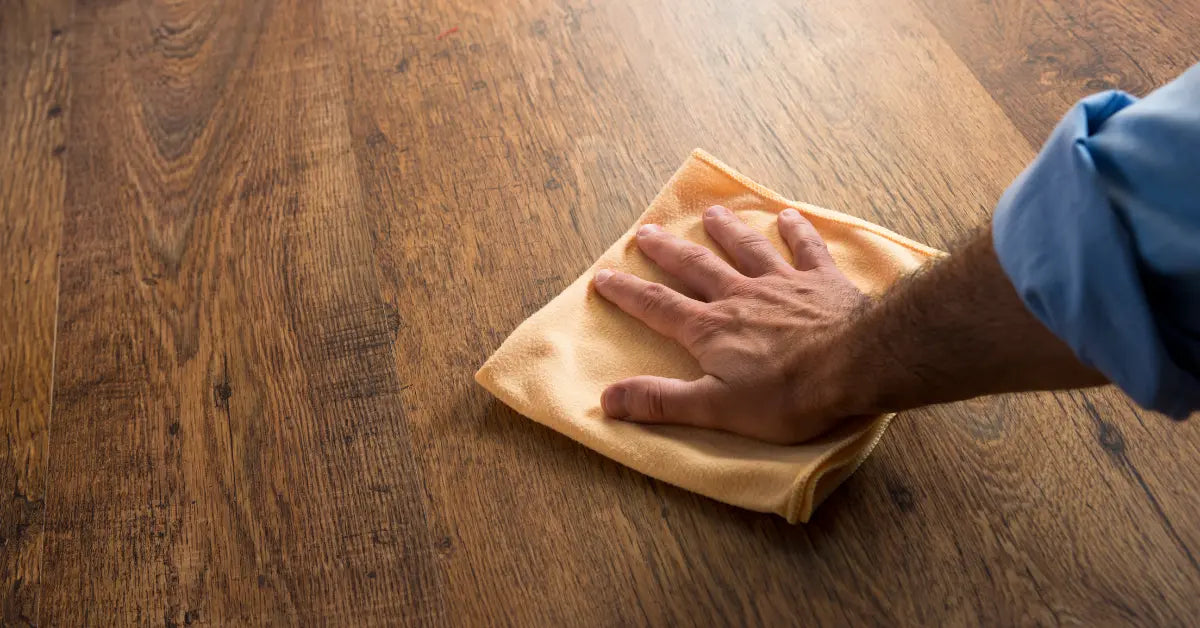
When it comes to maintaining the beauty and integrity of your wood floors, few treatments are as effective as wood floor wax. Whether you're dealing with a hardwood floor that has seen years of wear or you're trying to protect a newly installed floor, waxing offers a multitude of benefits that can prolong its lifespan. In this article, we will explore the importance of using wood floor wax for enhancing durability, protecting against damage, and maintaining that glossy, fresh look for years to come.
Why Wood Floors Need Protection
Wood floors are a beautiful addition to any home, offering a timeless aesthetic that never goes out of style. However, without proper care, they can quickly lose their charm. Wood is a natural material, and while it’s durable, it’s not immune to damage. Over time, the combination of foot traffic, moisture, dust, and dirt can take a toll on its surface. Scratches, dents, fading, and warping are common problems that homeowners face when neglecting their wood floors.
Environmental factors such as humidity and temperature fluctuations can also affect the integrity of wood, leading to expansion and contraction, which may cause cracks or warping. Whether it's a high-traffic area like a hallway or a space that experiences frequent moisture, such as a kitchen, protecting your wood floors from damage is essential for long-lasting beauty.
What is Wood Floor Wax?
Wood floor wax is a protective coating typically made from natural ingredients such as carnauba wax or beeswax. It’s designed to be applied to the surface of your wood floors to create a smooth, glossy finish. The wax provides an additional layer of protection against moisture, dirt, and wear, making it an ideal solution for preserving the appearance and longevity of your flooring.
Unlike other types of floor finishes, such as polyurethane or varnish, wood floor wax doesn’t create a hard, plastic-like surface. Instead, it forms a flexible, breathable barrier that allows the wood to “breathe” while protecting it from external elements. This unique property of waxing is particularly beneficial for homeowners seeking a more natural-looking, less synthetic solution for their floors.
How Wood Floor Wax Enhances Longevity
One of the primary reasons to use wood floor wax is its ability to increase the longevity of your wood floors. By creating a protective barrier, wax helps shield your floors from damage caused by moisture, dirt, and daily wear. Here’s how it works:
1. Protection Against Scratches and Scuffs
Foot traffic, moving furniture, and pet claws can leave behind unsightly scratches and scuffs on your wood floors. Wood floor wax forms a layer that helps minimize the impact of such abrasions. While it won’t completely eliminate the possibility of scratches, the wax reduces the severity and frequency of damage by creating a slick surface that allows objects to glide across the floor more easily.
2. Water Resistance
Wood is highly susceptible to water damage, which can cause warping, discoloration, and swelling. A good layer of wood floor wax provides moisture resistance, helping to prevent water from seeping into the wood’s pores. This is particularly important in areas prone to spills, such as kitchens or bathrooms, where moisture is a constant concern.
3. Stain Prevention
In addition to moisture, dirt and grime can also stain your wood floors over time. The wax coating acts as a barrier that prevents dirt from settling into the wood, making it easier to wipe away any spills or stains. Regular waxing ensures that your wood floors maintain their rich color and texture for much longer than untreated floors.
4. Preservation of Natural Beauty
Wood floors naturally develop a beautiful patina over time, but without protection, they may start to lose their luster. Wood floor wax enhances the grain and color of the wood, giving it a rich, warm finish that improves with age. By restoring the floor’s shine, waxing helps preserve its natural beauty, keeping it looking fresh and vibrant.
5. Flexibility for Ongoing Maintenance
Unlike polyurethane or other rigid finishes, wood floor wax is easy to reapply when needed. Over time, the wax layer may wear down due to foot traffic, but a simple reapplication is all it takes to restore the floor’s protective layer. This flexibility makes waxing a low-maintenance and cost-effective solution for homeowners looking to keep their wood floors looking great for the long haul.
Benefits of Using Wood Floor Wax
Let’s dive deeper into the specific benefits that wood floor wax offers to your wood floors:
1. Protection Against Scratches and Scuffs
As mentioned earlier, wood floor wax helps protect your floors from scratches and scuffs caused by daily activities. A wax coating forms a thin but durable barrier that reduces the chance of scratches caused by high heels, furniture, or pets. The wax layer also makes it easier to clean your floors, as dirt and debris won’t be able to penetrate the surface.
2. Restores Shine and Aesthetic Appeal
One of the key reasons many people choose to apply wood floor wax is to restore the natural shine of their floors. Over time, wood floors can appear dull and lifeless due to wear and tear. Waxing helps bring back the glossy finish, making your floors look as good as new. This glossy shine enhances the wood’s natural grain and adds depth and character to the flooring.
3. Prevents Water Damage
Water is one of the most damaging elements for wood floors. Even small amounts of water left on the surface can cause staining, warping, and swelling. Wood floor wax provides a protective layer that prevents water from seeping into the wood. This is particularly important in areas like kitchens, bathrooms, or entryways, where water is more likely to come into contact with the floor.
4. Easy to Maintain and Reapply
One of the greatest advantages of wood floor wax is its ease of maintenance. Unlike other finishes that require sanding or refinishing, waxing is a simple, quick process. If your floors start to look dull or scuffed after some time, you can easily reapply wax to restore their original appearance. This makes wood floor wax a low-cost, hassle-free solution for maintaining the beauty and longevity of your floors.
How to Apply Wood Floor Wax
Applying wood floor wax is a simple process, but it’s important to do it correctly to achieve the best results. Here’s a step-by-step guide to help you get started:
1. Clean the Floor
Before applying any wax, make sure your floor is clean and free from dust, dirt, and debris. Sweep the floor thoroughly, and use a damp mop to remove any grime. Allow the floor to dry completely before proceeding.
2. Choose the Right Wax
There are different types of wood floor wax, including paste wax, liquid wax, and spray wax. Choose a wax that is compatible with your floor type and desired finish. Some waxes are formulated for specific wood species, so read the label carefully to ensure you’re using the right product.
3. Apply the Wax
Using a clean, soft cloth or a wax applicator, apply a thin layer of wax to the floor. Work in small sections, applying the wax evenly and following the wood grain. Be sure not to apply too much wax, as this can lead to a sticky or uneven finish.
4. Buff the Floor
After allowing the wax to dry for about 20-30 minutes, use a soft cloth or buffer to buff the floor. Buffing helps create a smooth, glossy finish and ensures that the wax is evenly distributed across the surface.
5. Allow to Cure
Let the wax cure for 24-48 hours before walking on the floor to ensure it fully hardens and bonds to the wood. Once cured, your floors will have a beautiful, durable finish that will protect them for years to come.
Waxing vs. Other Wood Floor Finishes
While wood floor wax offers many benefits, it’s important to compare it to other floor finishes to determine the best option for your needs. Here’s a comparison between wood floor wax and other common floor finishes:
Polyurethane vs. Wax
Polyurethane is a popular wood finish because it creates a durable, hard surface. However, unlike wood floor wax, polyurethane is a synthetic finish that can make wood floors look somewhat artificial. Polyurethane also requires more maintenance, as it can crack and peel over time. In contrast, wood floor wax provides a more natural finish and is easier to maintain.
Oil Finishes vs. Wax
Oil finishes, such as tung oil or linseed oil, penetrate the wood and provide a natural look, but they don’t offer the same level of protection against scratches and moisture as wax does. While oils are great for enhancing the natural appearance of the wood, they don’t provide a protective layer like wood floor wax.
Common Mistakes to Avoid
To get the best results from waxing your wood floors, avoid these common mistakes:
- Over-waxing: Applying too much wax can lead to an uneven finish and streaks. Always apply a thin layer and buff it thoroughly.
- Using the Wrong Wax: Not all waxes are suitable for every type of wood. Be sure to choose a wax that is appropriate for your floor.
- Neglecting Maintenance: Regularly clean and reapply wax as needed to maintain its protective properties.
Conclusion
Wood floor wax is a simple yet highly effective solution for maintaining the longevity and beauty of your wood floors. By protecting against scratches, water damage, and stains, and enhancing the natural shine of your wood, waxing offers an affordable and easy-to-maintain option for floor care. Whether you have an older floor that needs revitalizing or a new floor you want to protect, wood floor wax is an essential tool in keeping your wood floors looking beautiful for years to come.


Leave a comment